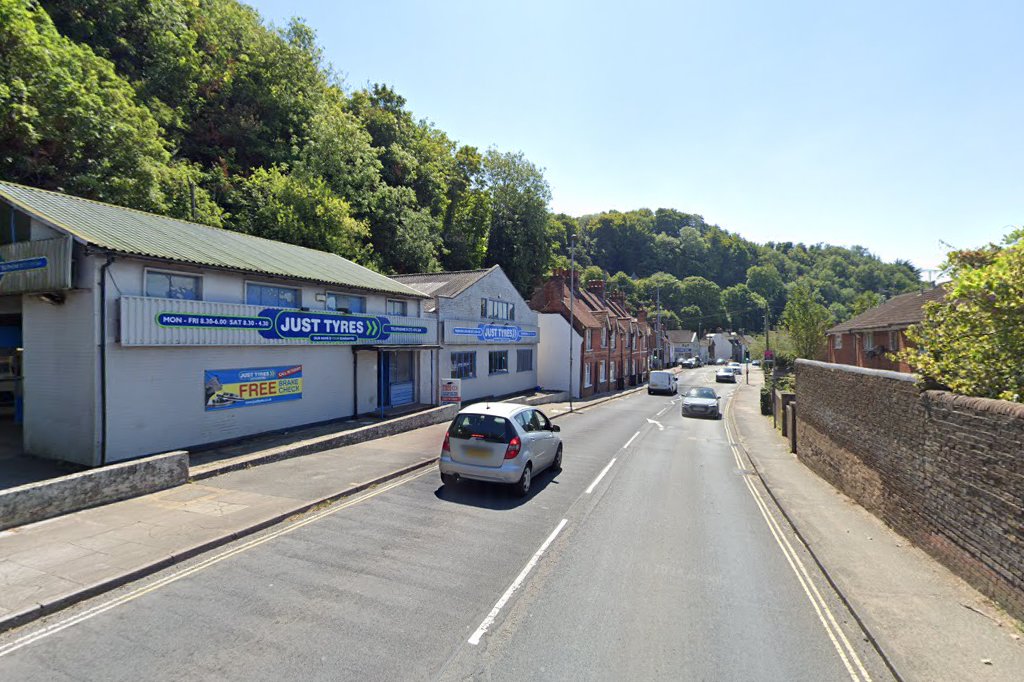
Lewes is a historic county town and administrative centre for East Sussex, set in the South Downs National Park. Its constrained geography — bounded by the downs and the River Ouse — severely limits new housing supply, creating persistent demand pressure in both the sales and rental markets. The town benefits from direct rail services to Brighton (15 minutes), London Victoria (70 minutes), and Eastbourne, making it attractive to commuters and professionals seeking a higher quality of life outside larger urban centres.
Residential Market
The average monthly private rent in Lewes was £1,248 in July 2025, representing a modest 1.1% annual increase — notably below the South East average growth of 5.5%. This reflects the town’s already elevated base: average house prices sit at £374,000, with affordability ratios around 11x local earnings. The rental market is dominated by 2-bed and 3-bed properties, with current listings showing 2-bed terraced houses at approximately £1,650 PCM in the town centre. Rental supply is acutely constrained by Lewes’s conservation area status and South Downs planning restrictions, which limit both new-build development and conversion activity. For landlords and development companies, this supply constraint is the defining feature: properties that do reach the rental market let quickly with minimal void periods, and tenant retention rates are high due to limited alternatives. Gross rental yields in Lewes sit at approximately 4–5%, with scope for improvement on under-rented properties at lease renewal. The incoming Renters’ Rights Act (May 2026) will end Section 21 evictions, but the structural supply shortage in Lewes means tenant demand will remain robust regardless of regulatory changes.
Commercial Market
Lewes’s commercial market is characterised by limited stock and steady demand, particularly for service-oriented and trade uses that serve the local population. Commercial premises typically let on 3 or 6-year terms at rents around £25,000 PA with fixed annual uplifts of 3%. The town’s high street has maintained reasonable occupancy compared to many similar-sized towns, supported by a strong independent retail culture and tourist footfall from the South Downs. For trade and workshop premises, availability is particularly scarce. Lewes’s compact geography and conservation constraints mean that purpose-built commercial space is rarely developed, and existing units are tightly held. Rents for automotive and trade units in secondary locations (such as Malling Street) range from £15,000–£30,000 PA depending on size and specification. The combination of limited supply, steady demand, and the difficulty of replacing lost commercial stock makes well-located trade premises a defensible rental asset, even where individual rents may appear modest in absolute terms.