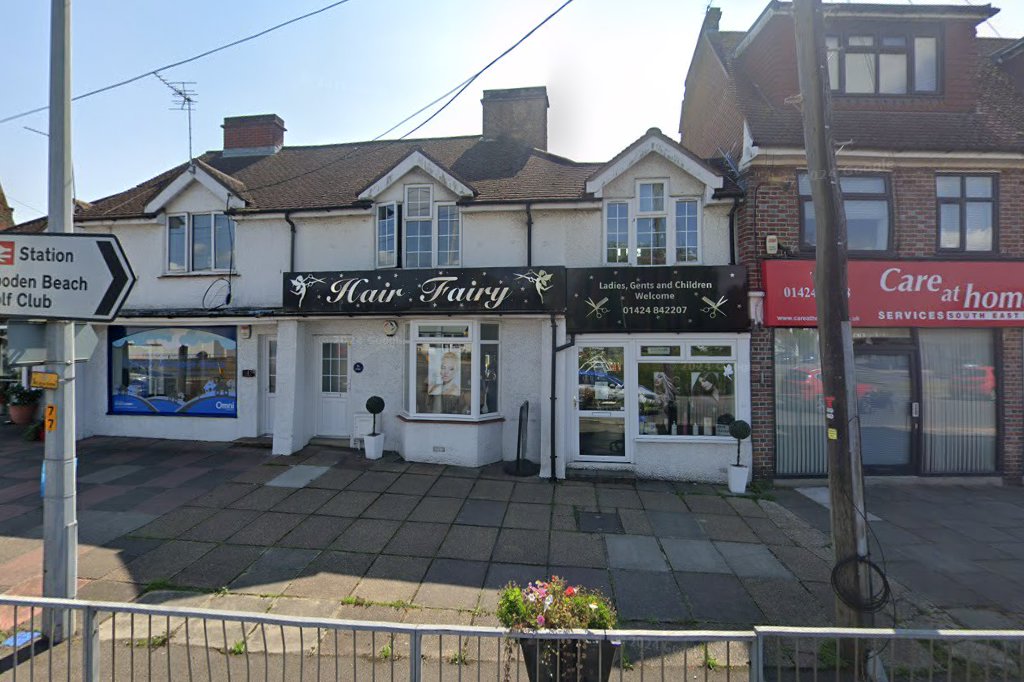
Bexhill-on-Sea is a coastal town of approximately 45,000 residents in the Rother district of East Sussex, positioned between Hastings and Eastbourne along the A259 coast road. The town has a growing reputation as a more affordable alternative to neighbouring Eastbourne, with strong appeal to retirees, young families, and commuters serving the broader East Sussex employment market. The De La Warr Pavilion and seafront regeneration have lifted the town’s cultural profile, supporting both residential demand and visitor-economy uses.
Residential Market
Average residential rents in Bexhill-on-Sea are approximately £1,188–£1,219 PCM, with 2-bed flats — the most common rental property type — averaging around £1,020 PCM. Average property prices sit at £316,168, approximately 11% above the national average, reflecting Bexhill’s growing desirability as a coastal location. Rental yields are competitive at approximately 4.5–5.5%, supported by the town’s relative affordability compared to Brighton (£1,833 PCM average) and Eastbourne. The residential rental market benefits from steady demand driven by demographics: Bexhill’s population includes a significant proportion of retired homeowners whose properties eventually cycle into the rental market, while incoming younger residents — attracted by affordability and coastal lifestyle — drive demand for rental accommodation. For mixed-use properties with a residential flat component, current market rents suggest scope for uplift at re-letting, given the area average of £1,020+ PCM for a 2-bed. The Renters’ Rights Act (May 2026) will reshape tenancy structures, but the fundamental supply-demand imbalance in Bexhill — where new development is limited by topography and planning constraints — will continue to support rental values.
Commercial Market
Bexhill’s commercial market is modest in scale, serving primarily local retail, service, and professional office needs. Town centre and high street commercial rents are lower than in Brighton or Eastbourne, with small retail and office units typically achieving £8,000–£16,500 PA depending on size and position. Mixed-use investments — combining a commercial ground floor with residential above — are the most sought-after format in the town, as they offer diversified income streams and flexibility for future conversion. The commercial tenant mix in Bexhill has shifted toward service-oriented businesses (estate agents, hairdressers, professional services) that are less vulnerable to online competition, supporting occupancy rates in the town centre. For investors holding small shop or office units, rental income at £8,000–£12,000 PA is broadly at market for secondary commercial units, and approaching lease expiries create opportunities to either re-let at improved terms or explore conversion to residential use where the per-unit rental income would be materially higher. Ground rent income on leasehold properties is typically minimal but secure, though leasehold reform legislation may affect the long-term treatment of ground rents across the sector.