
Origins in the Tyre Trade
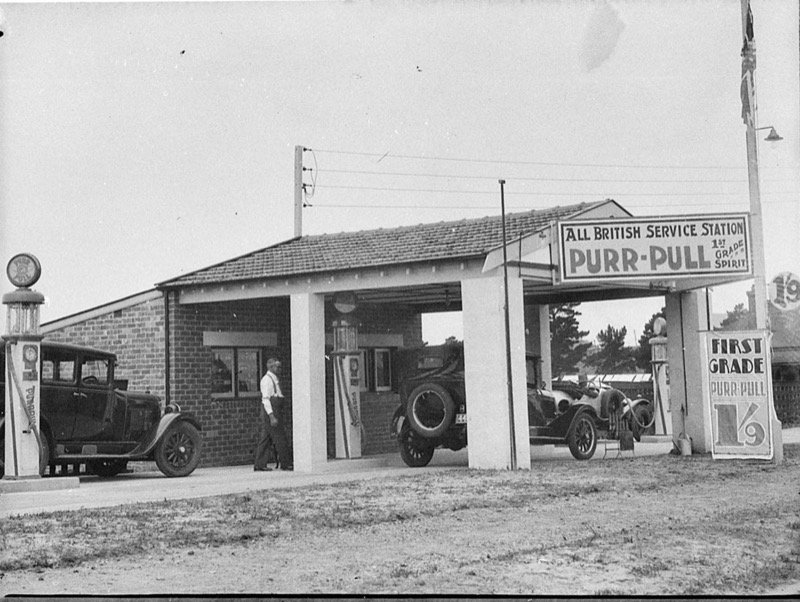
The story of Cuthbert Property Ltd begins in the early days of the British motor industry. Before the First World War — when motoring was still a novelty and paved roads were scarce — a Manchester industrialist named Harry Percival Griffiths recognised an opportunity in the emerging market for replacement tyres.
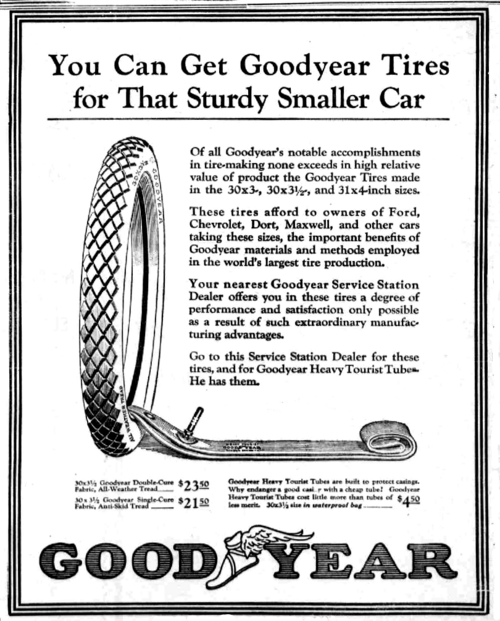
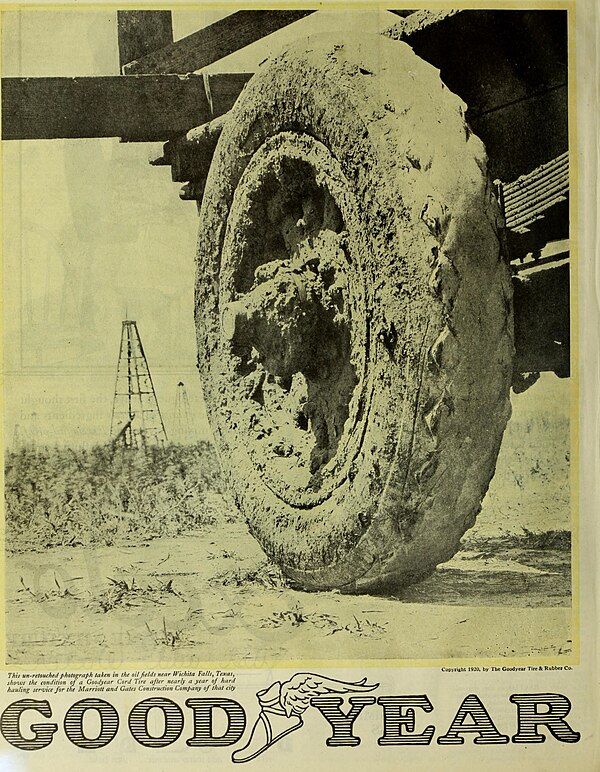
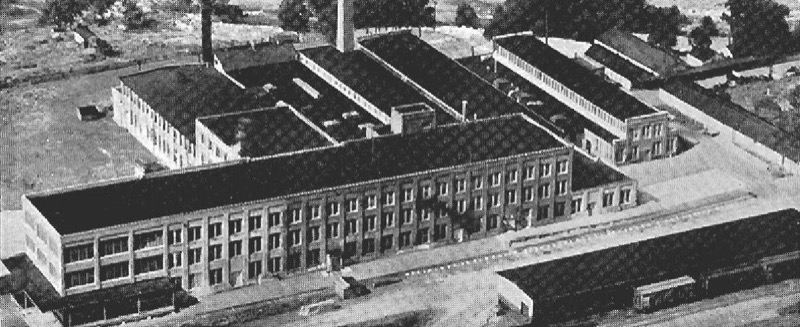
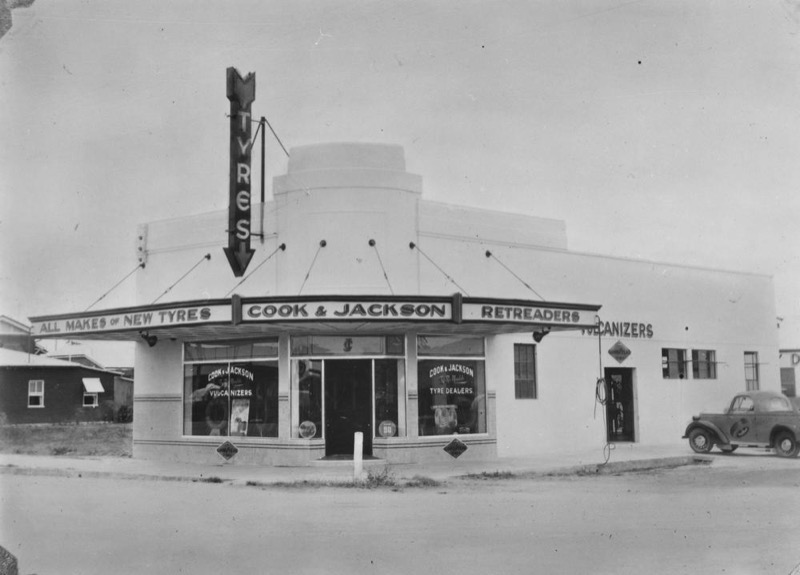
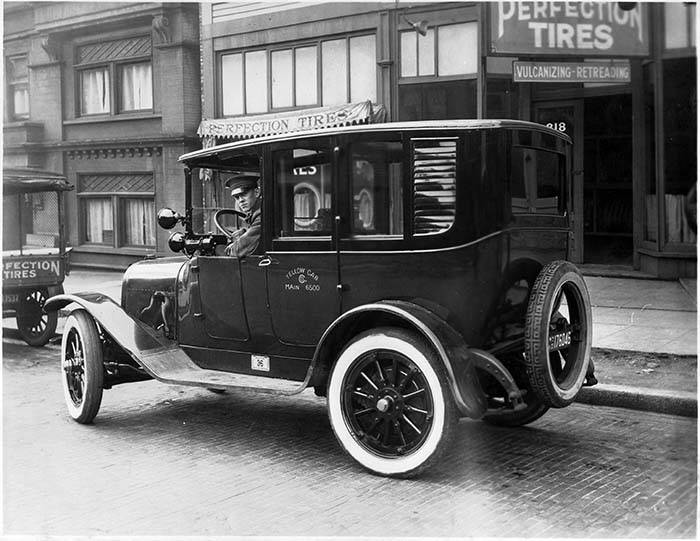
Operating under the name W. Briggs & Co. (later known as National Tyre Service), Griffiths built one of Britain’s first national networks of tyre distribution depots, headquartered at Brasenoze Street in Manchester. At its peak the company operated between 100 and 200 depots across the country and accounted for roughly one in four replacement tyres sold in the UK. Griffiths was among the earliest importers of Goodyear tyres into Britain and reportedly held patents related to rubber remoulding — the process of retreading worn tyres, which in an era when tyres wore out far more quickly than today was a substantial industry in its own right.
Cuthbert Mitchell and Express Tyre Service
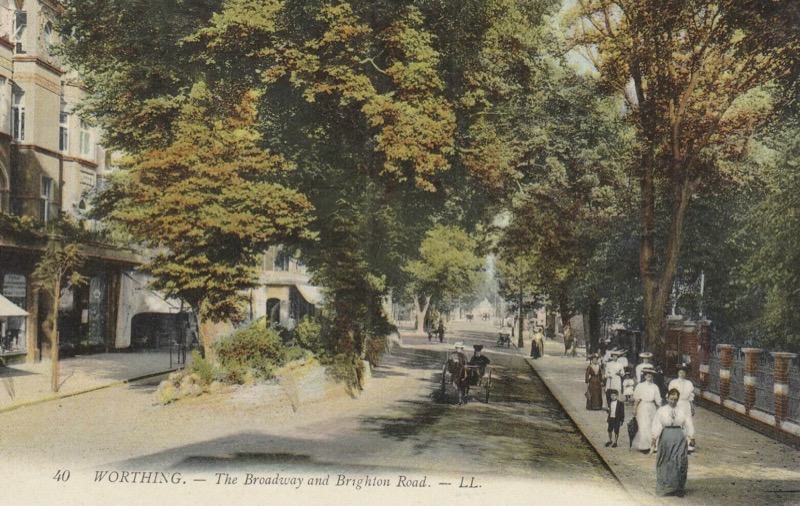
In the South of England — where National Tyre Service had limited reach — Griffiths financed a new venture. Cuthbert Mitchell, a member of the extended family, was set up in business in Worthing with modest initial backing.
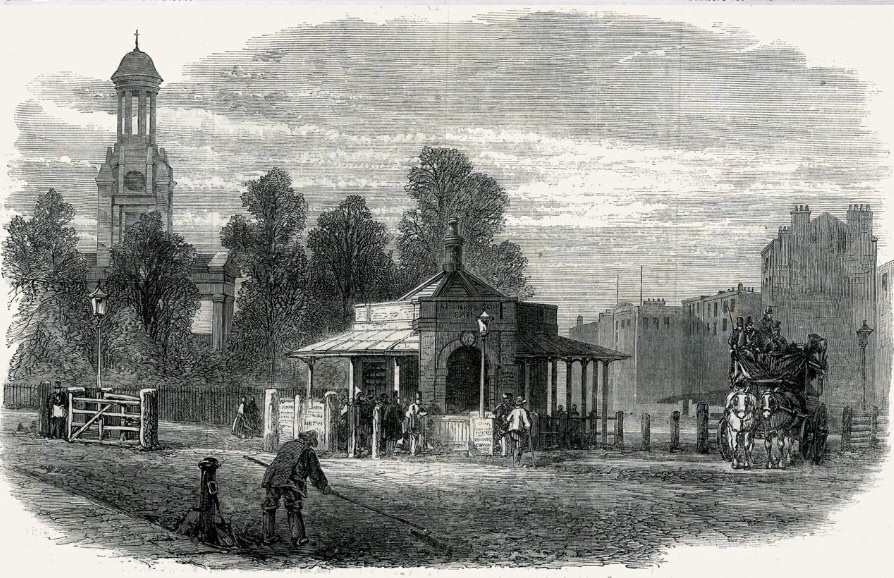
Mitchell proved to be hardworking and commercially astute. After a difficult start establishing himself in unfamiliar territory, he built Express Tyre Service into a successful chain of depots across Sussex and neighbouring counties, including premises near Kennington Road in London — not far from the Houses of Parliament. He repaid his initial backer and became fully independent.
Mitchell’s business served the full spectrum of the post-war motoring economy: individual car owners, garages, truck and fleet operators, and farmers. Like the northern operation, retreading and remoulding formed a significant part of the business alongside new tyre sales and distribution.
The Birth of Cuthbert Property
When Mitchell eventually sold Express Tyre Service, he made a strategically astute decision: he retained the property portfolio, separating the depot premises into a standalone company — Cuthbert Property Ltd.
This separation of operational business from underlying real estate proved prescient. The depots that had served the tyre trade across Sussex and southern England became the foundation of a property investment company. Shares were distributed among family members and key employees, creating a lasting asset base.
The London property near Kennington Road was subsequently redeveloped, with part of the site converted into residential flats — considerably enhancing its value. Properties in Worthing, Littlehampton, Salisbury, Brighton, Southampton, and other southern English towns formed the core of the portfolio.
Stewardship and Growth
Jean Bates, Mitchell’s daughter, took the helm of Cuthbert Property and managed the company for many years. Under her stewardship the portfolio was maintained and expanded. Her daughter Karen Townend later succeeded her, continuing to develop the company by acquiring new properties and pursuing selective redevelopment.
Today, Cuthbert Property Ltd holds a diversified portfolio of thirteen properties across nine locations in southern England — from commercial and retail premises to mixed-use buildings, residential flats, and a boutique hotel. The company remains privately held and family-connected, true to the structure that Cuthbert Mitchell established.
A Legacy of Enterprise
From the pioneering days of tyre distribution in Edwardian Britain, through the rise and sale of Express Tyre Service, to the quiet transformation of commercial depots into a modern property portfolio — the history of Cuthbert Property is one of entrepreneurial foresight, prudent asset management, and the enduring value of bricks and mortar.